
Creating Better Experiences for Transfer Passengers
Feb 15, 2023
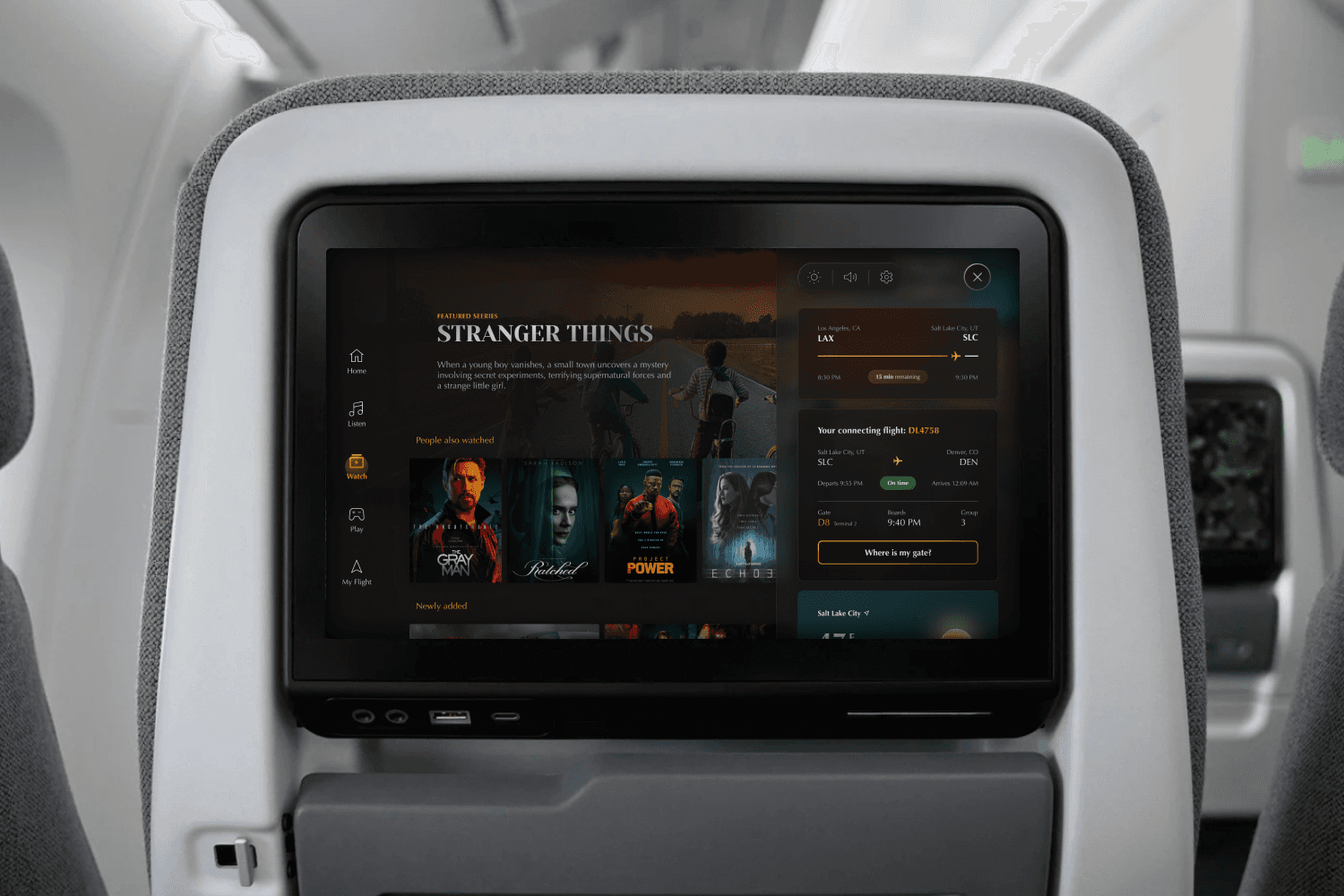
Air travel has become increasingly popular, and for many, it’s the preferred way to cover long distances. Layovers are a common part of the journey—sometimes welcome, sometimes stressful. A long layover can provide time to rest or explore the airport, while a short one often leaves passengers feeling rushed and anxious.
For transfer passengers, switching planes during a layover is almost inevitable. With connections as tight as 30 minutes, planning ahead is crucial. Yet, air travel rarely goes exactly as expected—flight delays, weather disruptions, and procedural differences across airlines can all complicate the experience.
Passengers are left wondering:
Where is my next flight?
Has my gate changed?
What about my checked bags? Do I need to do anything with them?
At major hubs, flight attendants sometimes announce connections as a courtesy, but not every airline does this. And given the sheer number of possible connecting flights, only limited information can realistically be shared.
Current solutions
Many tech-savvy frequent flyers rely on their airline’s mobile app for real-time updates. But these apps depend on stable internet connections, which aren’t always available mid-flight.
For others, the only option is to seek help from gate agents, flight attendants, or airport displays. This often involves standing in line, eating into valuable minutes—sometimes the difference between catching a flight and missing it.
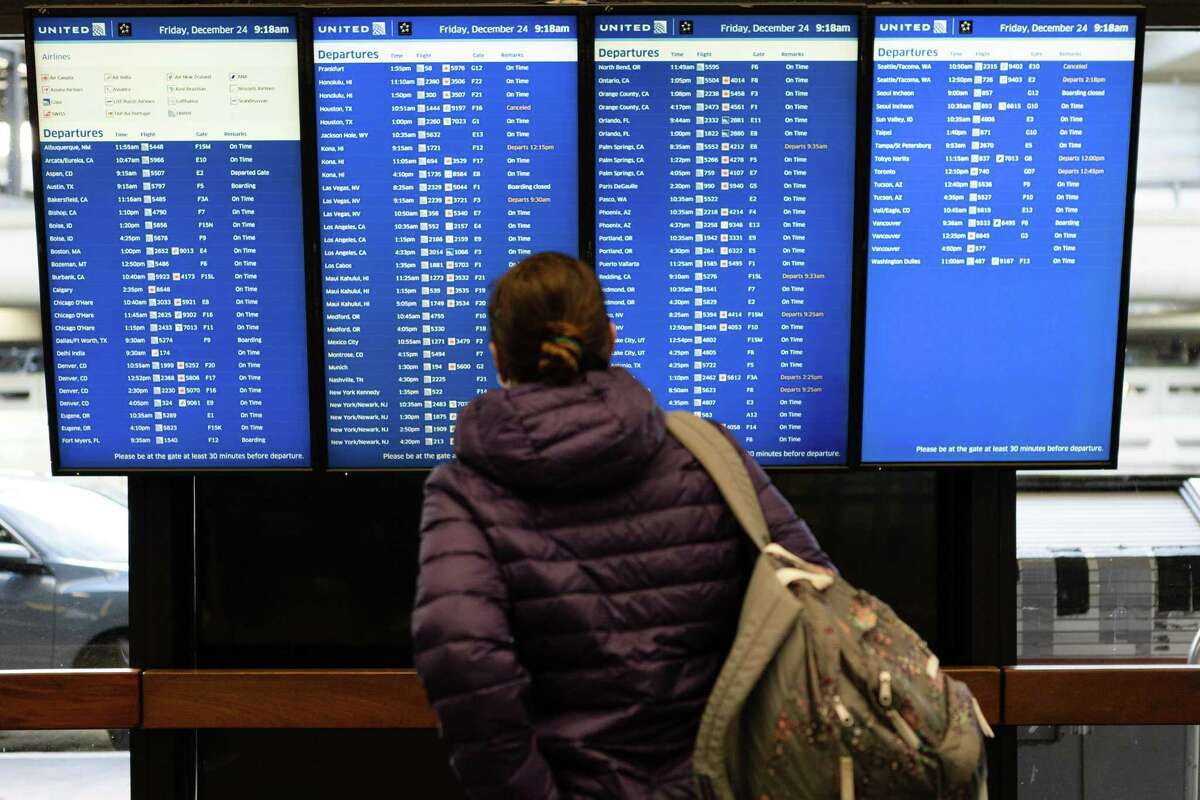
So, how might we improve the airline transit experience without requiring passengers to adopt additional apps or personal devices?
Jobs to be done
I want to stay updated on gate information for my connecting flight.
I want to plan my layover time—whether to grab food or shop for gifts—before boarding my next flight.
I want to stay on top of the status of my checked baggage.
The key question: Can we leverage existing systems to help passengers get these jobs done?
Creating a personalized IFE system
Most airlines already equip their fleets with IFE (in-flight entertainment) systems. Smaller regional jets that lack IFE usually serve direct routes or shorter final legs, making them less relevant to the transfer challenge. This makes IFE a promising foundation for rethinking the transit experience.

More airlines—JetBlue among them—are already upgrading to personalized IFE systems, though personalization is typically limited to greetings and movie suggestions. When seated, passengers can opt in or out of these features.
But what if personalization went further, offering more meaningful, travel-related information?
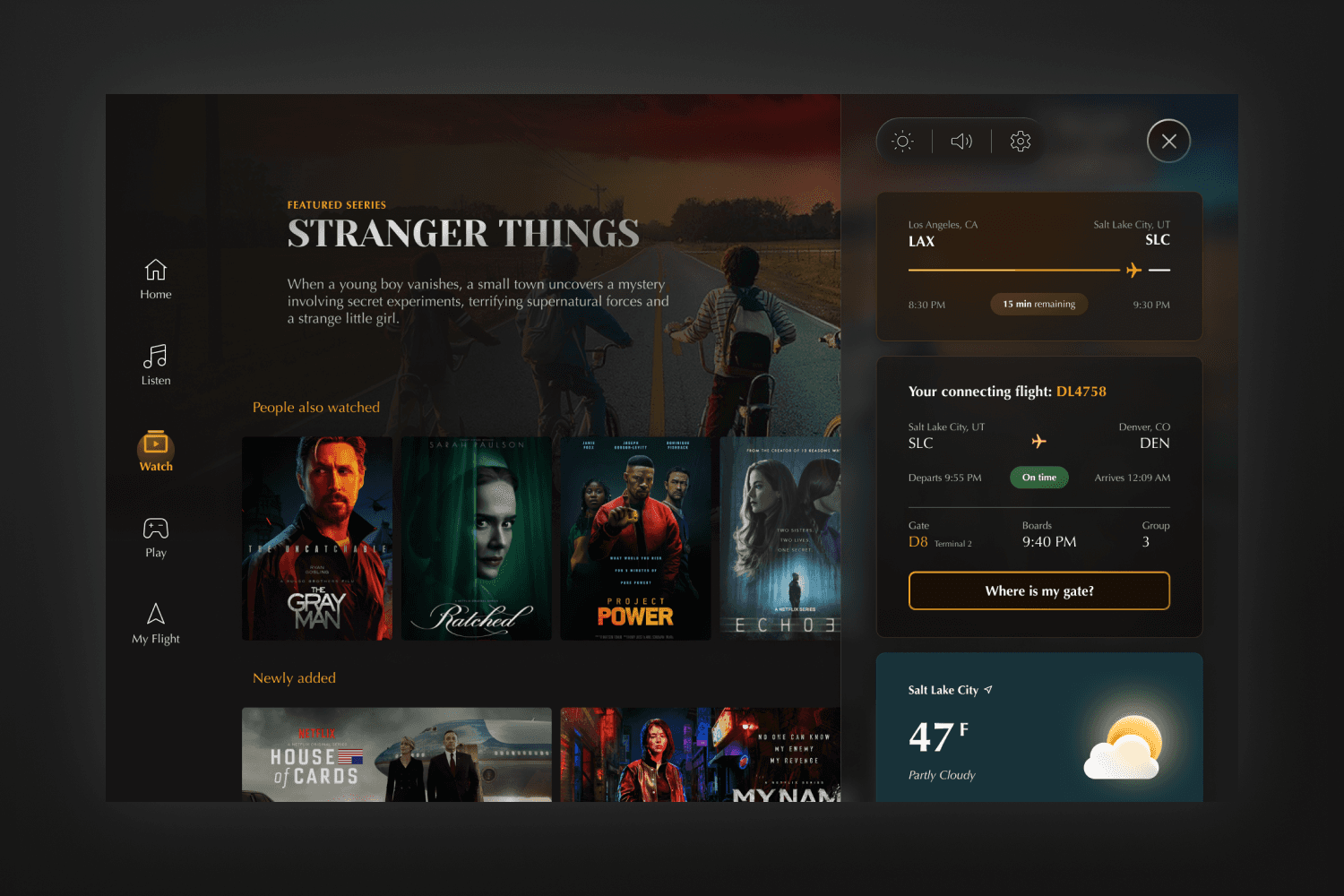
The flight dashboard is a personalized hub for a passenger’s entire itinerary. Once opened, it displays the status of the current flight along with details for upcoming connections. For passengers reaching their final destination, checked baggage updates are also included.
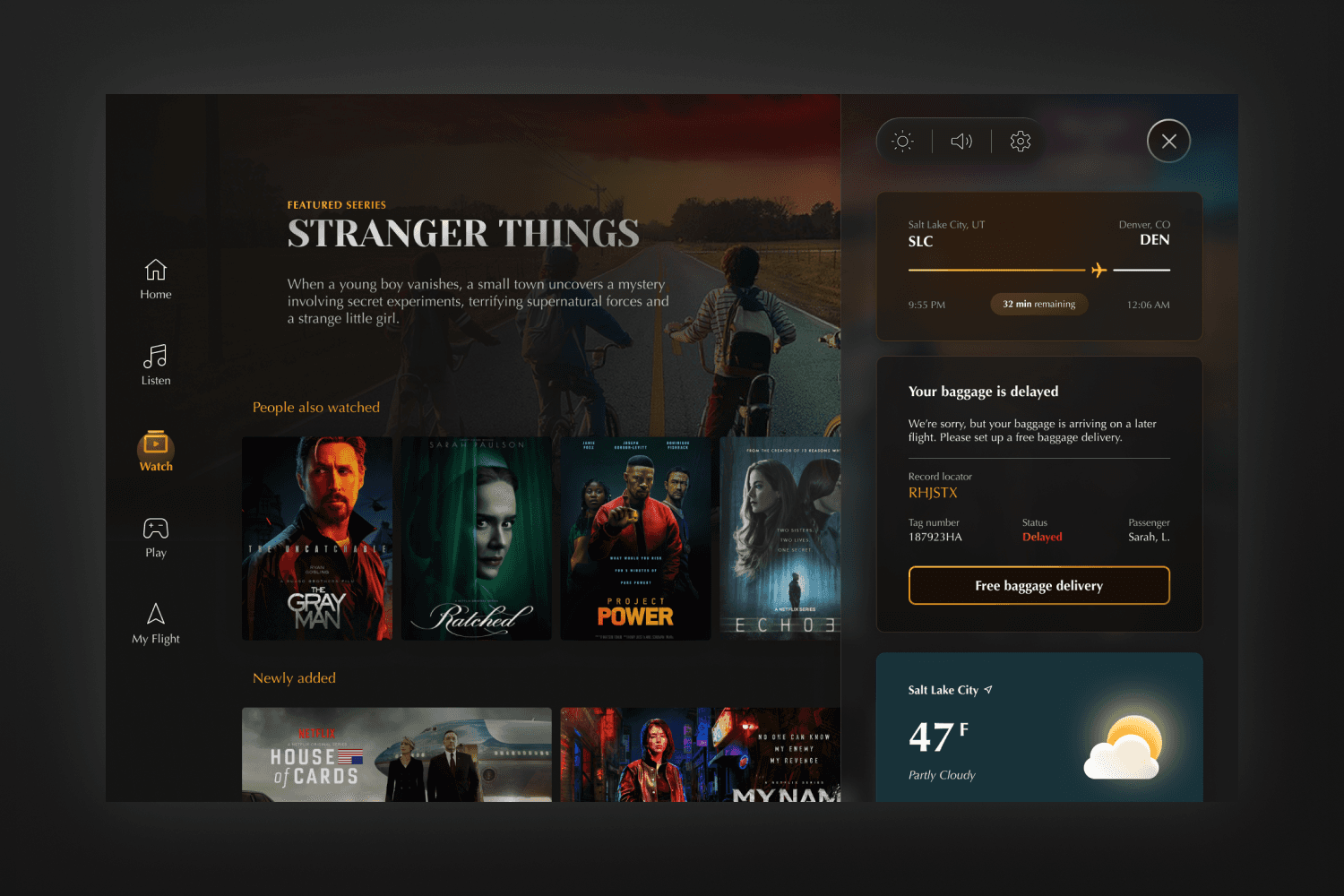
With this information readily available, passengers can stay informed about delays or disruptions without needing an internet connection or third-party app.
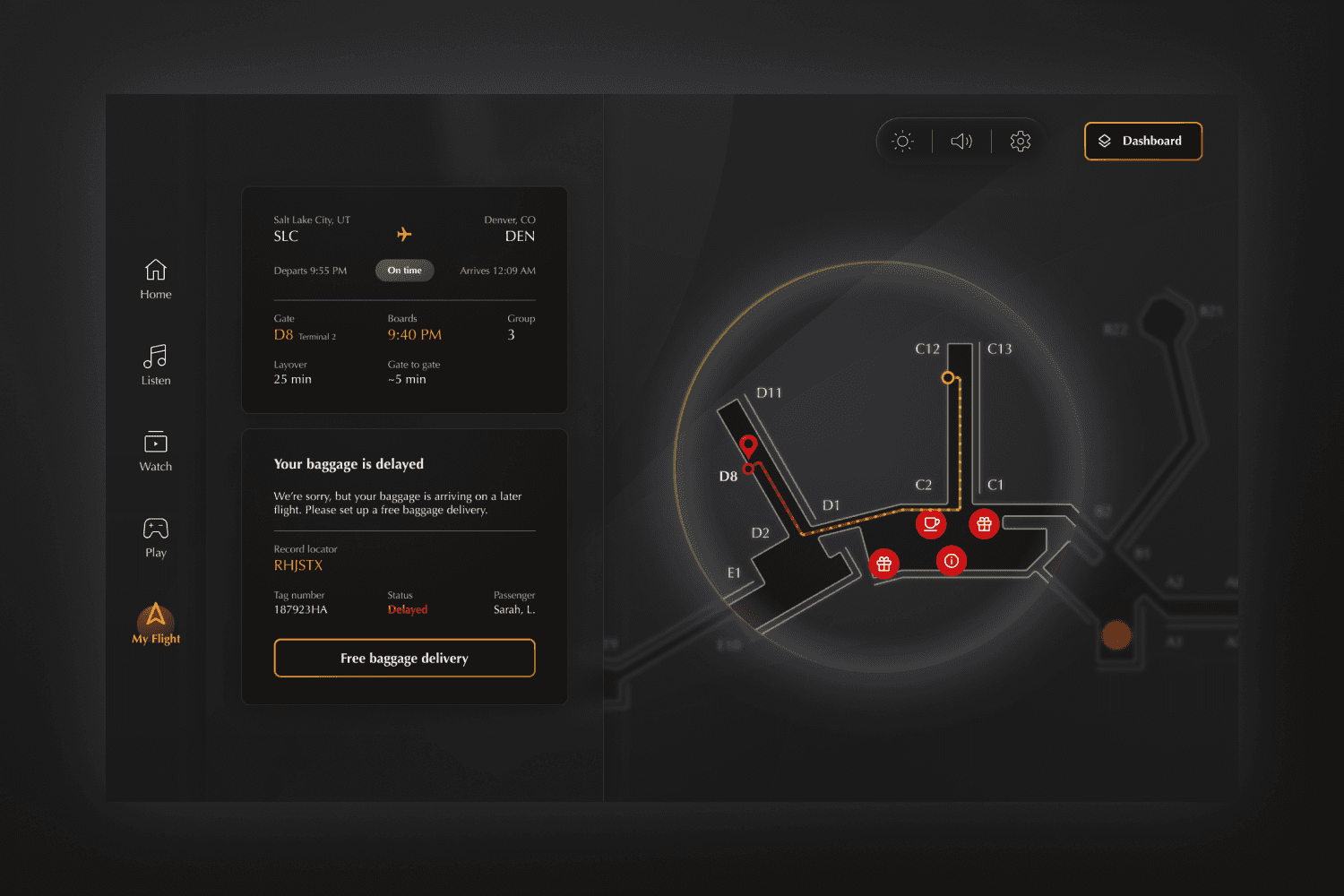
For connecting flights, passengers can tap on the flight card to open a dedicated status page featuring a terminal map with their route to the next gate highlighted. This ensures travelers know exactly where to go, helping reduce stress and improve the layover experience.