

Retale: Reimaging Grocery Retail in AR
Aug 10, 2024

Introduction
The grocery industry is undergoing a dramatic transformation. Digital tools, automation, and evolving consumer expectations are reshaping how we shop for food.
Retale is my master's capstone project: an XR-powered commerce platform designed for the grocery stores of 2034. My goal was to answer the question:
How might we use emerging technologies to create a personalized and efficient in-store shopping experience — for both customers and retailers?
Research Insights
Changing Consumer Behaviors
While online grocery shopping is growing, in-person shopping isn’t going away.
22% of U.S. consumers used online grocery or delivery services in the past 30 days.
Usage of these services rose 56% year-over-year from 2022 to 2023.
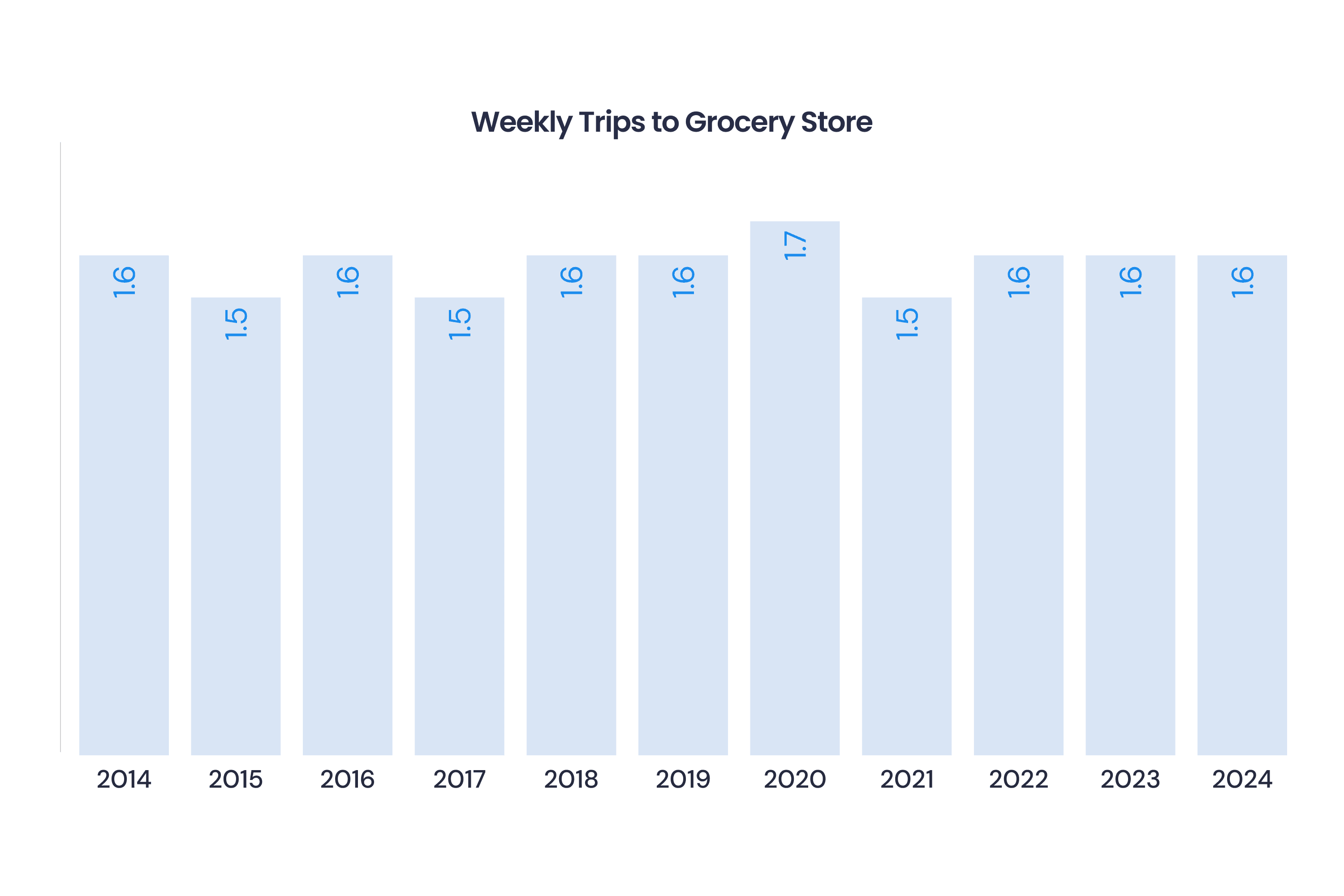
However, the average weekly trips to grocery stores for American families has remained steady over the past decade.
Retailers now must serve two customer groups: those who shop in-store and those who prefer online/delivery, and, increasingly, people who do both.
Shifts in Consumer Priorities
Modern grocery shoppers care about more than just price and convenience:
57% of American consumers believe that leading a sustainable and healthy lifestyle is important.
About ⅓ of consumers purchase what they consider sustainable food products.
This reflects growing demand for healthy, ethically sourced, and environmentally friendly options.
Market Landscape
One of the most significant shifts in grocery retail has been the rise of mass retailers:
In 2023, Walmart overtook Kroger to become the largest grocer in the U.S.
This signals a consumer preference for one-stop shopping — efficiency, variety, and competitive pricing in a single trip.
Technology Adoption in Retail
According to Deloitte, the top 5 technology-enabled changes retailers plan to implement in the next 5–10 years focus heavily on efficiency and personalization.

The AR/XR Opportunity
Augmented reality (AR) is rapidly evolving:
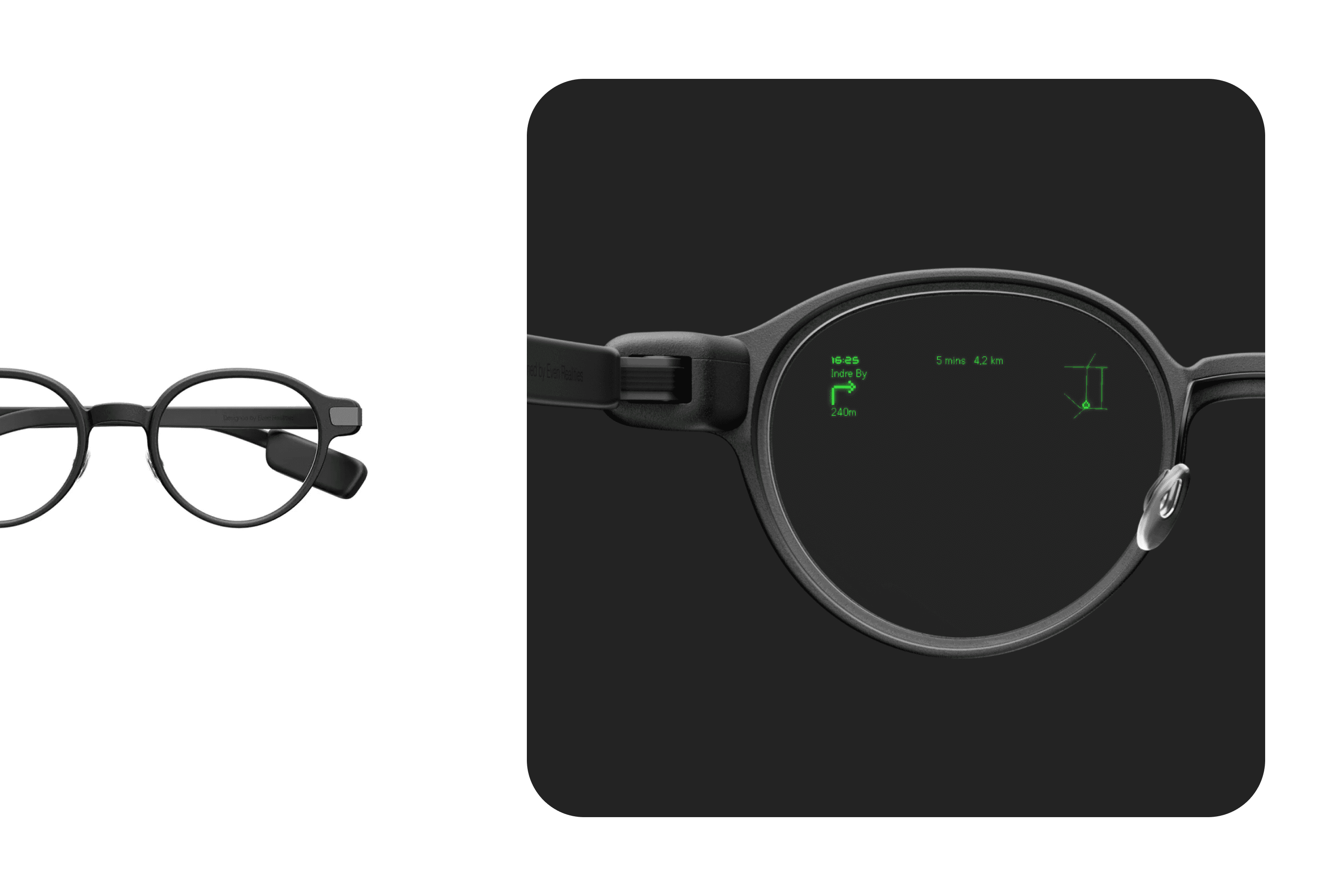
Devices like Apple’s Vision Pro signal a new era in mixed reality, though current form factors are bulky and designed for stationary use.
Tech companies are exploring ways to bring AR into mobile contexts, with lighter, more wearable devices expected in the next decade.
By 2034, AR headsets with small form factors, affordable pricing, and high mobility will be widely available.
By the time the retailers are ready to roll out advanced AR experiences at scale, the hardware will be mature enough to make it seamless for everyday use
Design Opportunity
Given these insights, my design challenge became:
For customers: Make grocery shopping personalized, efficient, and stress-free, whether for in-store shoppers or delivery workers.
For retailers: Offer scalable, low-cost ways to modernize in-store experiences without heavy investment in proprietary hardware.
Introducing Retale
Retale is an XR commerce platform built for brick-and-mortar supermarkets to enhance the in-store shopping experience — a “Shopify for the supermarkets of the future.”
It integrates with customer devices, retailer systems, and smart home ecosystems to make grocery shopping intuitive and adaptive.
Key Features
Smart Home Integration
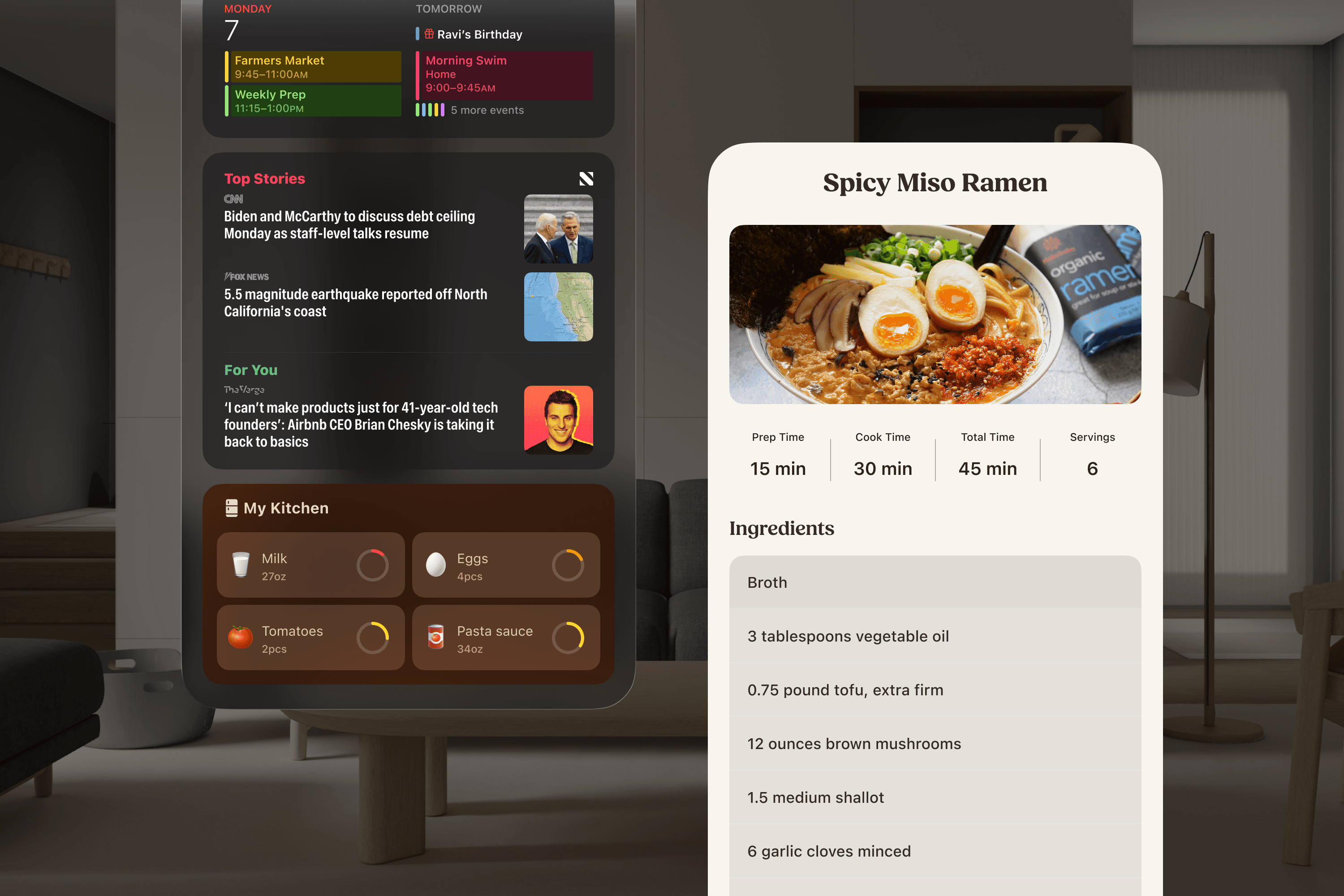
Automatically adds frequently purchased items to your shopping list when they’re running low.
Seamlessly integrates with virtual assistants like Siri or Google Assistant for list building and meal planning.
Personalization
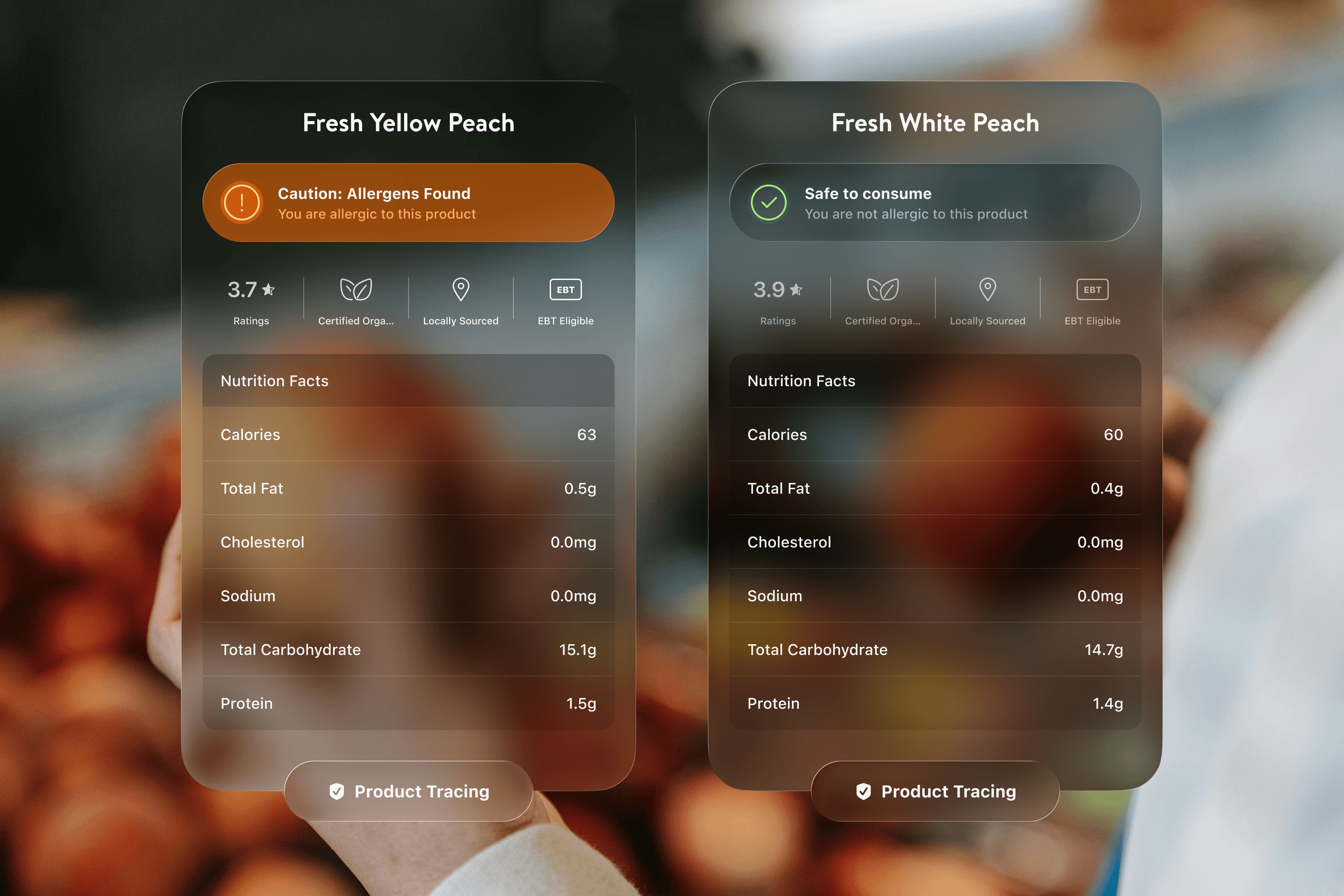
Learns shopping habits, preferred brands, and spending patterns.
Allows users to set dietary restrictions and health goals to tailor recommendations.
Guided Shopping
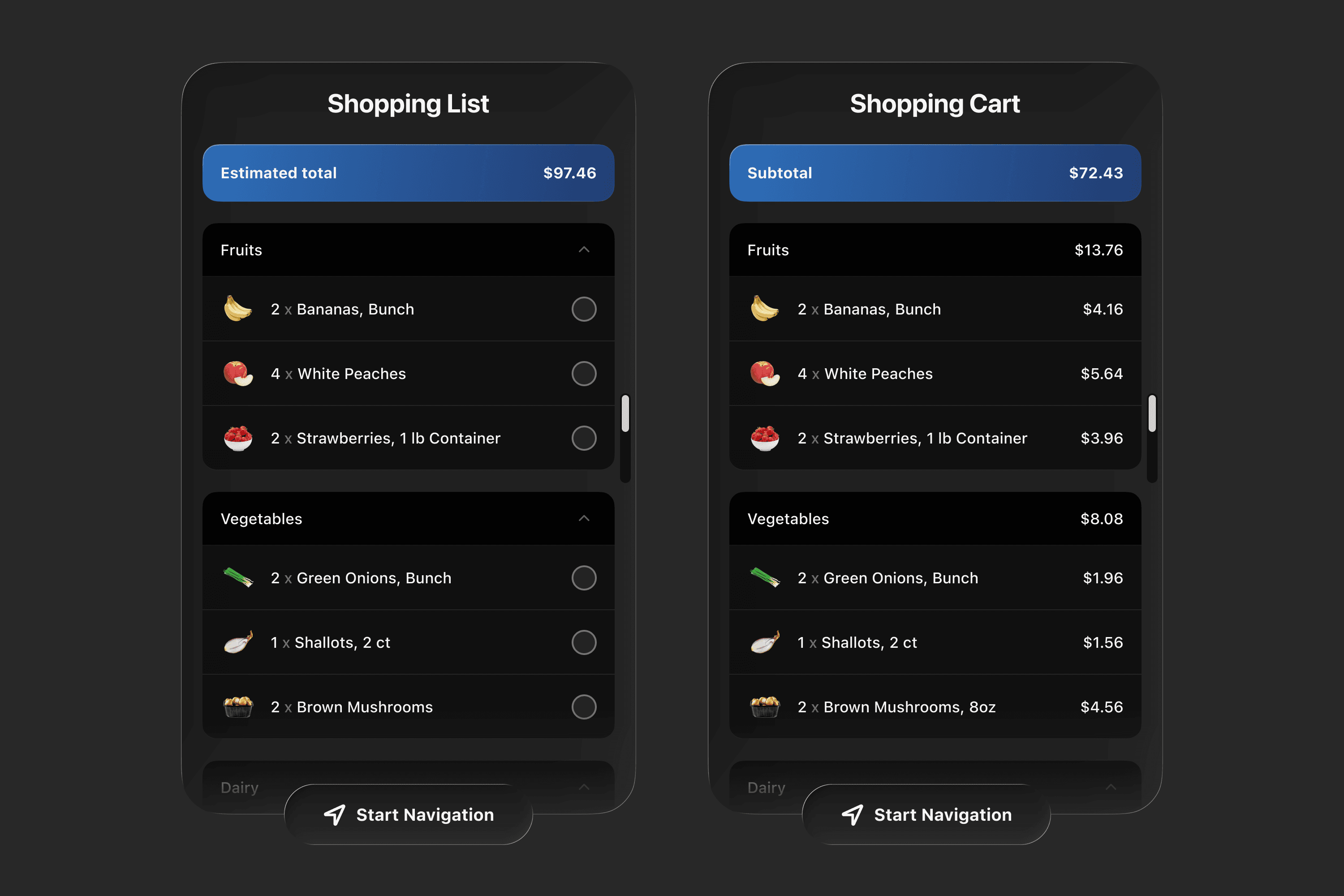
Offers the shortest in-store route to collect all items, reducing shopping time and stress.
Equally beneficial for delivery workers fulfilling online orders.


Spatial Interfaces
AR overlays that are intuitive, informative, and unobtrusive.
Minimal interaction required — interfaces fade away when not needed thanks to advanced eye-tracking.
Retailer Scalability
Uses low-cost Wi-Fi positioning instead of expensive camera networks or smart carts.
Easily deployable across multiple store locations.
Prototyping Retale
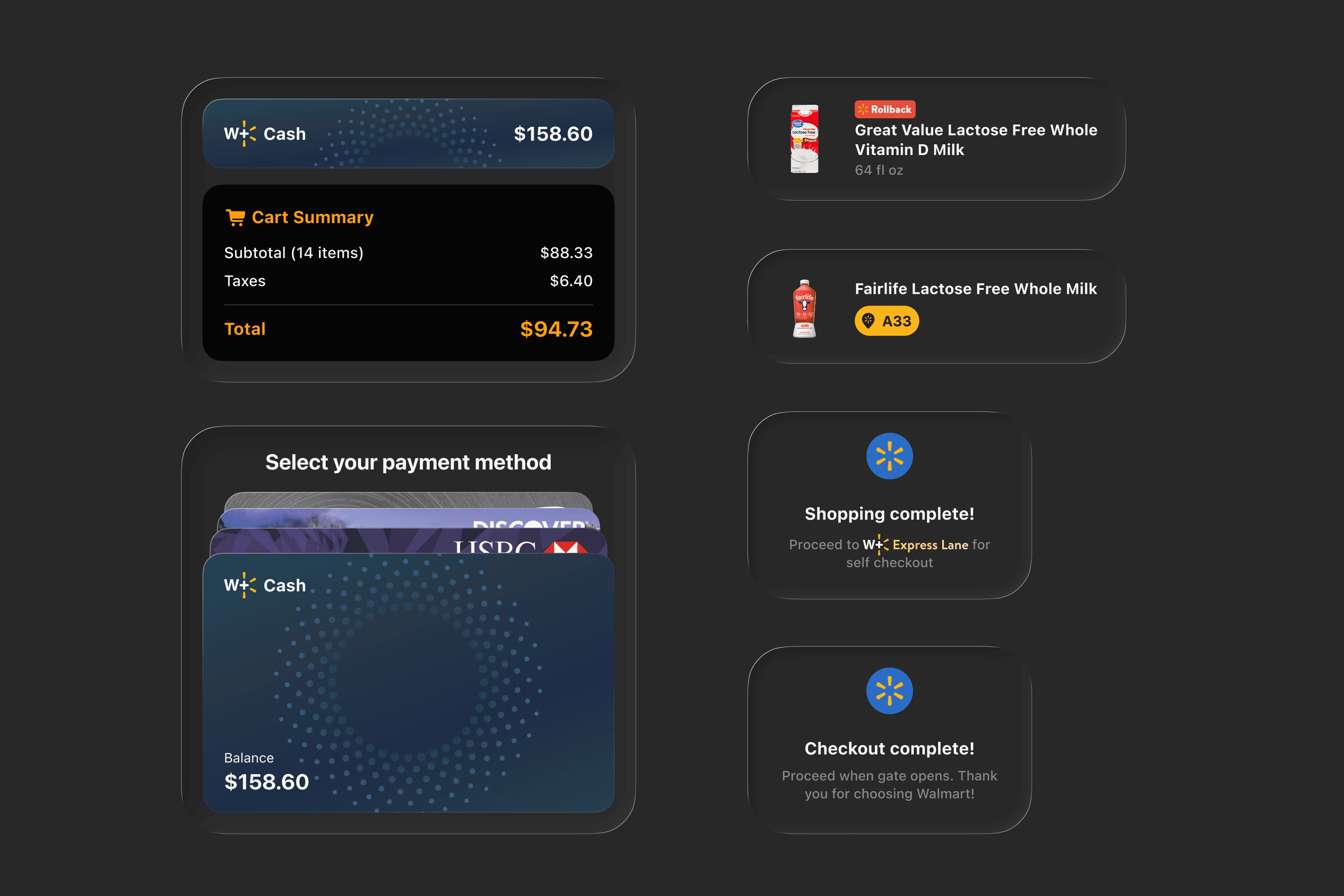
The video prototype demonstrates how Walmart might implement Retale in 2034:
Projected Impact
For Customers:
Saves time and reduces cognitive load.
Encourages healthier and more sustainable choices.
Makes delivery worker tasks faster and less physically taxing.
For Retailers:
Increases customer loyalty through personalization.
Boosts operational efficiency without costly infrastructure.
Opens new revenue streams via targeted AR promotions.
Retale is more than just an AR app — it’s a platform vision for a decade from now, where grocery shopping blends digital intelligence with the physical store. It bridges the best of both worlds: the convenience of online shopping with the immediacy of in-store experiences.